
Simple Member Onboarding: Your Step-by-Step Guide
Unlock a smooth transition at your credit union with our simple member onboarding guide. Discover essential steps for a welcoming experience today!
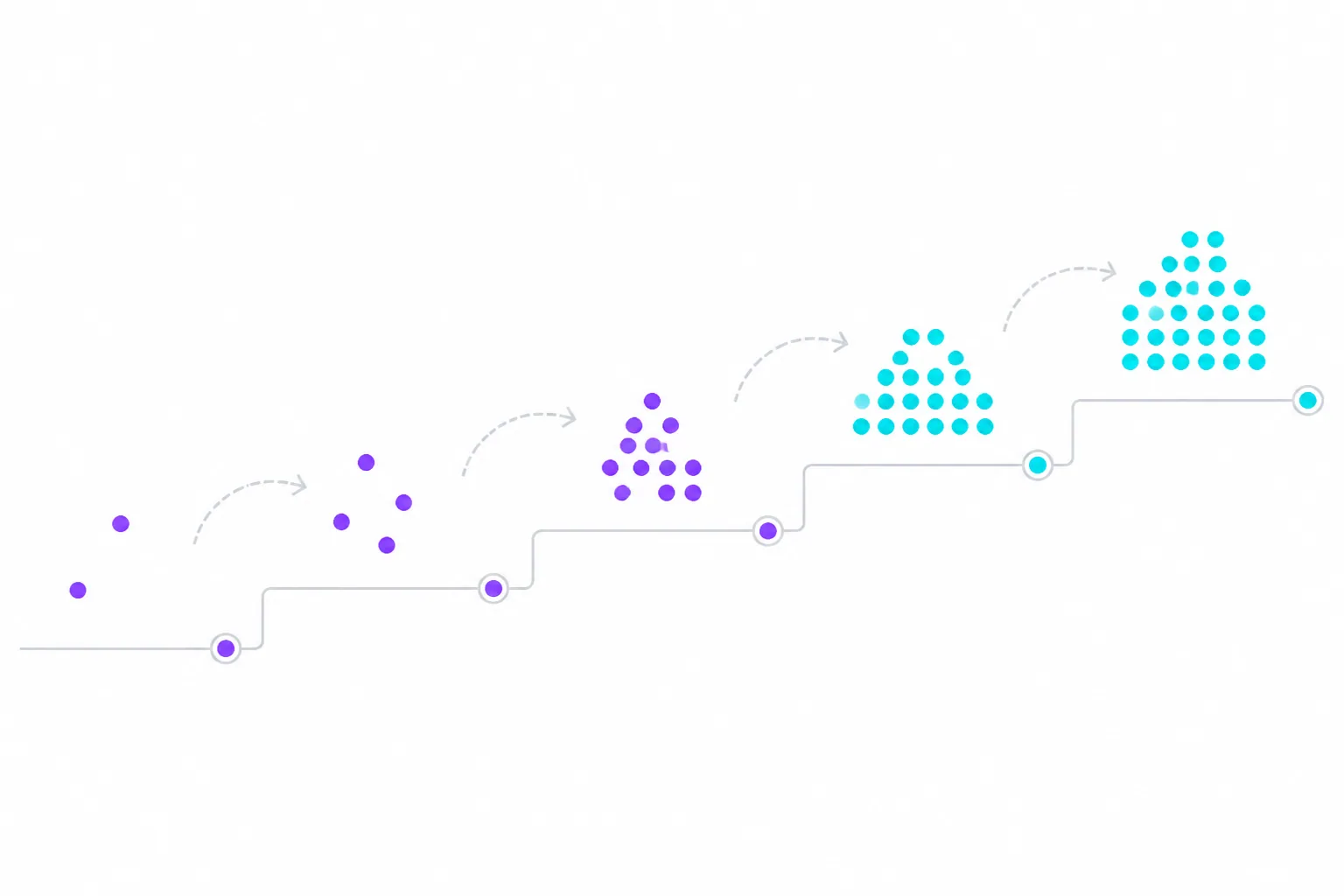
Starting fresh at a credit union can feel overwhelming. New members often struggle with understanding services, accessing accounts, and feeling truly welcomed into their financial home. The truth is, member onboarding credit union processes have evolved dramatically, and the best institutions make joining as smooth as opening your front door. You can transform nervous newcomers into loyal advocates through strategic onboarding that addresses their immediate needs while building long-term relationships.
Member onboarding credit union strategies determine whether someone becomes a lifelong member or closes their account within six months. This comprehensive guide walks you through proven approaches that turn first-time visitors into engaged members who actively use multiple services and refer friends and family.

Understanding Member Onboarding for Credit Unions
Member onboarding credit union processes represent the critical first 90 days of a member's relationship with your institution. Unlike traditional banks that focus primarily on account opening, credit unions emphasize community building and personal relationships from day one.
The member onboarding credit union experience encompasses everything from initial account setup to product education, digital platform training, and community integration. Research shows that members who complete a comprehensive onboarding process are 60% more likely to use multiple services and 40% more likely to recommend the credit union to others.
The Psychology Behind Effective Onboarding
New members arrive with specific expectations shaped by their previous banking experiences. They want convenience, clarity, and confidence that they made the right choice. Member onboarding credit union programs must address three core psychological needs: security, belonging, and competence.
Security comes from understanding how their money is protected and how to access it when needed. Belonging develops through personal connections with staff and feeling part of the credit union community. Competence builds as members learn to navigate services and maximize their benefits.
Why It Matters: The first impression shapes everything that follows. A confused or frustrated new member may never fully engage with your services, regardless of how excellent they become later.
Key Differences from Bank Onboarding
Credit union member onboarding differs significantly from traditional bank processes. Banks often prioritize speed and efficiency, moving customers through standardized procedures. Credit unions focus on relationship building and member education, taking time to understand individual needs and goals.
Member onboarding credit union programs typically include financial counseling components, community involvement opportunities, and personalized service recommendations. This approach requires more time upfront but creates deeper, more profitable relationships over time.
The cooperative ownership model also influences onboarding. New members need to understand their role as owners, not just customers. This includes voting rights, dividend distributions, and how their participation impacts the entire membership.
Modern Onboarding Challenges
Today's member onboarding credit union processes must balance digital convenience with personal touch. Younger members expect mobile-first experiences, while older members may prefer in-person assistance. Successful programs offer multiple pathways to the same outcomes.
Regulatory compliance adds complexity to member onboarding credit union procedures. Know Your Customer (KYC) requirements, anti-money laundering protocols, and privacy regulations must be seamlessly integrated without creating friction for new members.
How Member Onboarding Credit Union Programs Work
Effective member onboarding credit union systems operate through carefully orchestrated phases, each designed to build upon previous interactions while advancing the member toward full engagement. The process typically unfolds over 90 days, with intensive activity in the first 30 days.
Phase One: Welcome and Setup (Days 1-7)
The initial week focuses on account activation and basic service setup. New members receive welcome packages containing essential information, account details, and next steps. Digital-savvy members may complete much of this online, while others prefer in-person assistance.
Member onboarding credit union teams schedule follow-up calls within 48 hours of account opening. These conversations verify contact information, answer immediate questions, and schedule any needed appointments. The goal is ensuring members can access their accounts and understand basic features before they need them.
During this phase, members receive their debit cards, checks, and online banking credentials. Staff walk them through initial logins, mobile app downloads, and basic navigation. This hands-on approach prevents the frustration that leads to early account abandonment.
Pro Tip: Create a simple checklist that new members can follow at their own pace. Include items like "Download mobile app," "Set up direct deposit," and "Schedule financial review." This gives them a sense of progress and accomplishment.
Phase Two: Education and Exploration (Days 8-30)
The second phase introduces members to available services and helps them identify relevant products. Member onboarding credit union specialists conduct comprehensive financial reviews, discussing goals, current products, and potential improvements.
Educational workshops during this period cover topics like budgeting, loan products, investment options, and insurance services. These sessions can be group-based for efficiency or individual for personalized attention. The key is matching the format to member preferences and availability.
Digital education plays an increasingly important role in modern member onboarding credit union programs. Interactive tutorials, video guides, and self-paced learning modules allow members to explore features when convenient. Progress tracking helps staff identify who needs additional support.
Phase Three: Integration and Optimization (Days 31-90)
The final onboarding phase focuses on deepening the relationship and optimizing the member's financial position. This includes cross selling credit union services that align with their goals and introducing them to community aspects of membership.
Member onboarding credit union teams review account usage patterns, identifying opportunities for additional services. A member who frequently uses ATMs might benefit from fee-free networks. Someone with irregular income could use budgeting tools or automatic savings programs.
Community integration becomes crucial during this phase. Invitations to member events, volunteer opportunities, and educational seminars help members feel connected beyond their financial relationship. This emotional connection drives long-term loyalty and referral behavior.
Technology Integration in Modern Onboarding
Contemporary member onboarding credit union programs leverage technology to enhance rather than replace personal interactions. Customer relationship management (CRM) systems track member progress, trigger automated communications, and alert staff to intervention opportunities.
Mobile apps with onboarding modules guide members through setup processes at their own pace. Push notifications remind them of pending tasks or available resources. Integration with core banking systems ensures information stays current across all touchpoints.
Artificial intelligence increasingly supports member onboarding credit union efforts by analyzing member behavior patterns and suggesting personalized next steps. However, the human element remains essential for building the trust and relationships that distinguish credit unions from banks.
Essential Components of Member Onboarding Credit Union Success
Successful member onboarding credit union programs include specific components that work together to create comprehensive experiences. Each element serves a distinct purpose while supporting the overall goal of member engagement and satisfaction.
Comprehensive Welcome Package
The welcome package sets the tone for the entire relationship. Beyond basic account information, effective packages include community newsletters, service guides, and contact directories. Members should understand not just what services are available, but how to access them when needed.
Member onboarding credit union welcome packages increasingly include digital components. QR codes link to video tutorials, online forms streamline common requests, and mobile app download instructions with setup guides reduce friction for tech-comfortable members.
Personalization makes welcome packages more effective. References to the member's stated goals, relevant service recommendations, and customized timelines show attention to their individual situation. This personal touch distinguishes credit union onboarding from generic bank processes.
Structured Communication Timeline
Effective member onboarding credit union programs follow predetermined communication schedules that maintain contact without overwhelming new members. The timeline typically includes welcome calls, educational emails, service introductions, and feedback requests.
Week one communications focus on immediate needs and basic functionality. Week two introduces additional services and educational resources. Monthly touchpoints throughout the 90-day period check progress and offer assistance with emerging needs.
The communication mix should include phone calls, emails, text messages, and postal mail to match member preferences. Some prefer digital efficiency, while others value personal phone calls. Successful programs offer options while maintaining consistent messaging across channels.
Key Takeaway: Consistency in communication builds trust and demonstrates reliability. Members need to know they can count on their credit union for ongoing support, not just initial setup assistance.
Financial Needs Assessment
Thorough financial needs assessments differentiate member onboarding credit union programs from simple account opening procedures. These conversations explore current financial situations, short-term needs, and long-term goals to identify relevant services.
Effective assessments go beyond product sales to understand the member's complete financial picture. This includes existing relationships with other institutions, upcoming life changes, and concerns about their financial security. The information guides service recommendations and timing.
Documentation of assessment results enables ongoing relationship development. As members' situations change, staff can reference previous conversations to provide continuity and demonstrate their commitment to the member's financial success.
Digital Platform Training
Modern member onboarding credit union programs must include comprehensive digital platform training. Members need confidence using online banking, mobile apps, and self-service features to fully benefit from membership.
Training approaches should accommodate different learning styles and technical comfort levels. Some members prefer hands-on demonstrations, while others learn better from written instructions or video tutorials. Offering multiple options increases success rates.
Follow-up support after initial training prevents members from abandoning digital services when they encounter difficulties. Quick response to questions and proactive check-ins during the first month of digital platform use significantly improve adoption rates.
Community Integration Activities
Credit union membership involves community participation beyond financial services. Member onboarding credit union programs should introduce new members to volunteer opportunities, social events, and educational programs that strengthen their connection to the institution.
Early invitations to member events help new members meet others and understand the cooperative culture. Even if they cannot attend immediately, knowing about these opportunities reinforces the community aspect of credit union membership.
Educational seminars on financial topics provide value while creating opportunities for deeper relationships. Members who attend these events often become advocates who refer friends and family, expanding the credit union's membership base through personal recommendations.
Member Onboarding Credit Union Best Practices
Industry-leading member onboarding credit union programs share common characteristics that drive superior results. These best practices emerge from years of testing, refinement, and member feedback across diverse credit union environments.
Personalization at Scale
Effective member onboarding credit union systems balance personalized attention with operational efficiency. This requires understanding member segments and customizing approaches while maintaining consistent quality across all interactions.
Demographic data, stated preferences, and behavioral indicators help staff tailor their approach to individual members. A young professional starting their first job needs different guidance than a retiree managing fixed income. Recognizing these differences improves relevance and engagement.
Technology enables personalization at scale through automated workflows that trigger appropriate communications and tasks based on member characteristics. However, staff training ensures personal interactions remain genuine and helpful rather than scripted or mechanical.
Multi-Channel Approach
Modern member onboarding credit union programs operate across multiple channels to meet members where they are most comfortable. This includes in-person meetings, phone calls, email communications, text messages, and digital platform interactions.
Channel preferences often correlate with age, technical comfort, and communication style. Offering options while maintaining message consistency ensures all members receive the support they need in their preferred format.
Integration across channels prevents members from repeating information or receiving conflicting messages. When a member updates information online, staff should have immediate access during phone conversations. This seamless experience reinforces the credit union's competence and attention to detail.
Expert Tip: Track which channels each member prefers and uses most frequently. This information helps staff choose the most effective communication method for future interactions, improving response rates and member satisfaction.
Proactive Problem Solving
Successful member onboarding credit union programs anticipate common issues and address them before members experience frustration. This proactive approach prevents problems that could damage the relationship during its most vulnerable early stages.
Common issues include difficulty accessing online accounts, confusion about fee structures, and uncertainty about available services. Addressing these topics during onboarding conversations prevents later problems and demonstrates the credit union's commitment to member success.
Staff training should include recognition of early warning signs that a member is struggling with some aspect of their relationship. Quick intervention can resolve issues before they escalate to complaints or account closure.
Continuous Feedback Collection
Member onboarding credit union programs improve through systematic feedback collection and analysis. This includes formal surveys, informal conversations, and observation of member behavior patterns.
Feedback collection should occur at multiple points during the onboarding process, not just at the end. Early feedback can identify issues while there is still time to address them for the current member, while also improving the process for future members.
Analysis of feedback patterns helps identify systemic issues that affect multiple members. Addressing root causes rather than individual symptoms creates lasting improvements that benefit all future members.
Staff Training and Development
The quality of member onboarding credit union programs depends heavily on staff knowledge, skills, and attitudes. Comprehensive training ensures all team members can effectively support new members regardless of their specific needs or questions.
Training should cover technical aspects of products and services, communication skills, and the credit union's philosophy and culture. Staff need to understand not just what services are available, but why they benefit members and how they support the cooperative mission.
Ongoing education keeps staff current with new products, regulatory changes, and evolving member expectations. Regular role-playing exercises help staff practice difficult conversations and develop confidence in various scenarios.
Common Member Onboarding Credit Union Challenges
Even well-intentioned member onboarding credit union programs face predictable challenges that can undermine their effectiveness. Understanding these obstacles allows credit unions to develop strategies that minimize their impact on member experience.
Information Overload
New members often feel overwhelmed by the amount of information presented during onboarding. Member onboarding credit union teams must balance thoroughness with digestibility, ensuring members receive necessary information without creating confusion or anxiety.
The challenge intensifies when members have complex financial situations or multiple goals. Staff may feel compelled to address everything immediately, but this approach often backfires by creating decision paralysis or information retention problems.
Successful programs break information into manageable chunks, prioritizing immediate needs while scheduling follow-up conversations for additional topics. This approach allows members to absorb and act on information before receiving more.